Source Bucket Elevator for Grain, Mining, and Feed Processing
Explore 30 verified bucket elevator options suitable for grain, mining, and feed processing applications. Buyers can compare specifications, materials, and certifications from manufacturers in China to find the right transmission solution for their industrial needs.
Key considerations
Products List

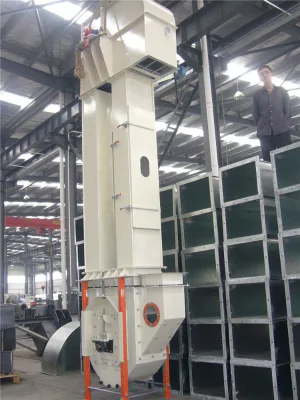


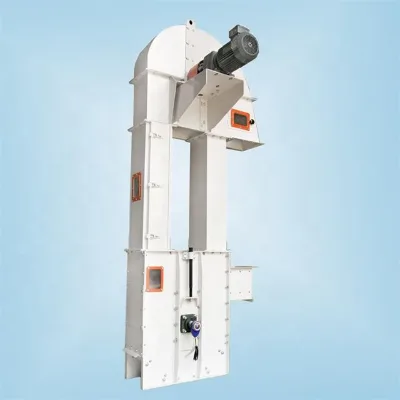


Comprehensive Sourcing Guide
Strategic Sourcing Guide for Bucket Elevator Systems
The global demand for efficient bulk material handling continues to drive the procurement of bucket elevator systems across diverse industrial sectors. For buyers navigating this market, the primary challenge lies in distinguishing between generic equipment and specialized solutions tailored to specific material characteristics, such as grain, feed, or chemical powders. This guide synthesizes observed market data and technical attributes to provide a disciplined framework for sourcing bucket elevators. The focus remains on verifying product specifications, understanding compliance requirements, and evaluating supplier capabilities without relying on unverified marketing claims.
Technical Specifications and Material Compatibility
Understanding the technical architecture of a bucket elevator is the first step in any procurement process. The core component, the bucket itself, varies significantly in material composition and design geometry. Market observations indicate that buckets are manufactured from a range of materials including HDPE, Nylon, Carbon Steel, Stainless Steel, and Copper Alloy. The selection of material is not arbitrary; it must align with the specific properties of the material being conveyed. For instance, applications involving grain, rice, or feed often utilize plastic materials like HDPE or Nylon due to their lightweight nature and resistance to corrosion. Conversely, heavy-duty applications in power plants, mining transport, or the chemical industry may require steel or copper alloy constructions to withstand abrasive or high-temperature conditions.
The physical dimensions and volume capacity are critical variables. Observed data points to specific volume configurations such as 1L, 3.8L, and 6.5L buckets, which are often designated by specific model codes like SK-CZ or series including D, CC, DS, DQ, DH, M, and DM. The shape of the bucket also influences performance; square-shaped buckets are noted in certain configurations, while others may vary based on the specific volume requirements. The standard for these products often references national standards or specific industry codes like ASME, though buyers must verify the exact standard applicable to their region and application. Furthermore, the machinery test report is a crucial document that should be provided by the supplier to validate the operational integrity of the unit. The power type is frequently customized, meaning the motor and drive system must be selected to match the load requirements of the specific plant environment.
Compliance, Certification, and Regulatory Standards
In the B2B procurement landscape, compliance is non-negotiable. Buyers must rigorously verify that the bucket elevator systems meet relevant international and national standards. The supply chain data highlights several key certifications, including ISO and ISO9001, which indicate adherence to quality management systems. Additionally, CE certification is observed, suggesting compliance with European safety, health, and environmental protection requirements. For specific industrial sectors, adherence to ASME standards may be required, particularly for pressure vessels or high-stress mechanical components.
The origin of the product plays a significant role in regulatory compliance. Products are observed to originate from locations such as Fo Shan and Jiangsu, China. While these regions are known manufacturing hubs, buyers must ensure that the specific factory possesses the necessary R&D capacity and that the brand, whether it is Hycox, Jingwei, or an own-brand entity, maintains a verifiable track record. The "National" standard is also listed as a baseline, but international buyers should not assume this is sufficient for their local regulatory environment without explicit confirmation. It is essential to request the machinery test report and verify that the product has undergone the necessary quality checks before shipment. The warranty period, typically observed as one year, serves as a baseline for post-purchase support, but the terms of this warranty should be clearly defined in the contract.
Cost Drivers and Pricing Dynamics
The pricing structure for bucket elevators is highly variable, reflecting the complexity of the equipment and the customization level required. Observed price ranges in the market span from as low as $0.25 to as high as $146,000. This vast disparity is not indicative of a single product line but rather a spectrum ranging from individual replacement buckets to complete, heavy-duty elevator systems. The lower end of the price spectrum likely corresponds to individual components, such as single buckets or small accessories, while the higher end represents full-scale industrial machinery.
Several factors drive these costs. The material composition is a primary driver; steel and copper alloy components generally command higher prices than HDPE or Nylon alternatives due to raw material costs and processing complexity. The level of customization is another significant factor. While some products are listed as non-customized with fixed models, others offer customization options for power types, dimensions, and surface treatments like oxidation. The packaging method also influences the final cost; options range from woven bags and cartons to plywood crates, with the latter being more expensive but necessary for heavy or delicate machinery during international shipping. Buyers should be aware that the Minimum Order Quantity (MOQ) can vary from 1 to 300 units, which directly impacts the unit price and total procurement budget.
Typical Applications and Industry Use Cases
Bucket elevators are versatile machines designed for a wide array of industrial applications. The observed data points to specific use cases including grain and rice processing, feed mills, chemical industries, power plants, and mining transport. In the agricultural sector, the ease of operation and simplicity of the system are key selling points, making them ideal for handling bulk grains and feed. The material properties, such as fire resistance, heat resistance, and oil resistance, are particularly relevant for chemical and mining applications where the conveyed material may be hazardous or abrasive.
The application determines the required specifications. For example, a system designed for a chemical industry might require stainless steel buckets to prevent contamination and corrosion, whereas a feed mill might prioritize lightweight plastic buckets to reduce energy consumption. The "Product Name" is consistently identified as "Elevator Bucket," but the broader system includes the conveyor belt, head and tail pulleys, and the drive mechanism. Buyers must ensure that the selected system matches the specific flow rate and material density of their operation. The "Condition" of the equipment is typically listed as "New," but buyers should verify the manufacturing process, which can include casting for metal components, to ensure durability.
Supplier Evaluation and Business Model Assessment
When evaluating potential suppliers, buyers should look beyond the product listing and assess the business model and capabilities of the manufacturer. The data indicates that suppliers can be classified as Manufacturers or Factories, which generally implies direct control over the production process and quality. The presence of an "Own Brand" R&D capacity suggests that the supplier has the technical expertise to develop custom solutions, which is a significant advantage for buyers with unique requirements.
Key indicators of a reliable supplier include the provision of a machinery test report, the availability of free samples for evaluation, and the clarity of their branding. Brands such as Hycox and Jingwei are observed, but buyers should not rely solely on brand recognition. Instead, they should verify the supplier's location, such as Jiangsu or Fo Shan, and confirm their ability to provide the specific certifications mentioned, such as ISO9001 and CE. The "Business Type" being a Manufacturer/Factory is a positive signal, as it reduces the risk of middleman markups and potential communication gaps. However, buyers must also consider the logistics of the supply chain, including the lead time and the reliability of the shipping partners.
Quality Control and Long-Term Procurement Considerations
Quality control is paramount in the procurement of bucket elevators, as these systems operate continuously and often under demanding conditions. Buyers should insist on a comprehensive machinery test report that details the performance of the core components, such as the engine and the transmission system. The warranty period, typically one year, is a critical factor in long-term planning, but it should be complemented by a clear service and maintenance agreement.
The packaging of the product is also a quality indicator. Options like plywood crates, woven bags, and pallets are observed, and the choice of packaging should match the fragility and weight of the equipment. For heavy machinery, a plywood crate offers superior protection during transit. Additionally, the surface treatment processes, such as oxidation, should be verified to ensure they meet the corrosion resistance requirements of the application environment.
Long-term procurement considerations include the availability of spare parts and the adaptability of the system. Since the power type and dimensions are often customizable, buyers should ensure that the supplier can support future modifications or expansions. The "Key Selling Points" of easy operation and simplicity are valuable, but they must be backed by robust engineering. Buyers should also consider the environmental impact and energy efficiency of the system, especially in industries with high energy costs. Finally, the ability to customize the logo, or the restriction thereof, should be clarified early in the negotiation process, as this can affect branding and marketing strategies for the end user.
Comparative Analysis of Product Attributes
To facilitate decision-making, the following table summarizes the key attributes observed in the market for bucket elevator systems. This comparison highlights the variability in materials, standards, and applications, helping buyers align their requirements with available options.
| Attribute Category | Observed Options | Key Considerations for Buyers |
|---|---|---|
| Material | HDPE, Nylon, Carbon Steel, Stainless Steel, Copper Alloy | Select based on material abrasiveness, temperature, and chemical resistance. |
| Volume/Size | 1L, 3.8L, 6.5L (Variable) | Match volume to throughput requirements and material density. |
| Certification | ISO, ISO9001, CE, ASME | Verify specific certification relevance to local regulations and industry standards. |
| Origin | Fo Shan, Jiangsu, China | Confirm factory location and verify R&D capacity for custom needs. |
| Packing | Plywood Crate, Woven Bag, Carton, Pallet | Ensure packaging protects the equipment during international shipping. |
| Application | Grain, Feed, Chemical, Mining, Power Plant | Align material and design with the specific industry environment. |
| Customization | Available (Power, Dimensions) or Non-Customized | Clarify if the product can be tailored to specific operational needs. |
| Warranty | 1 Year | Review terms for coverage of core components and service availability. |
By adhering to these guidelines and verifying the specific attributes against the supplied facts, buyers can make informed decisions that ensure the reliability and efficiency of their bucket elevator systems. The market offers a wide range of options, but success lies in the meticulous evaluation of technical specifications, compliance, and supplier capabilities.
FAQs
What materials are used for bucket elevator buckets?
Buckets are manufactured from HDPE, Nylon, Carbon Steel, Stainless Steel, or Copper Alloy. Selection depends on the material being conveyed, with plastics often used for grain and steel for heavy-duty mining applications.
Which certifications do bucket elevator systems typically hold?
Common certifications include ISO, ISO9001, CE, and ASME standards. Buyers must verify that the specific certification matches their local regulatory requirements and industry safety codes before procurement.
Can the logo on the bucket elevator be customized?
No, the logo cannot be customized for the listed products. Buyers requiring custom branding must confirm if the specific supplier offers this service or if the product is strictly non-customized.
What is the warranty period for bucket elevator machinery?
The standard warranty period is typically one year. This coverage applies to the machinery and core components, but specific terms should be verified in the contract before purchase.
How are bucket elevators packaged for international shipping?
Packaging options include plywood crates, woven bags, cartons, and pallets. Heavy machinery often requires plywood crates for protection, while smaller components may be shipped in woven bags.
What is the minimum order quantity for bucket elevators?
The minimum order quantity ranges from 1 to 300 units depending on the supplier and product type. Buyers should check specific listings to determine the exact MOQ for their required volume.
Where are these bucket elevator systems manufactured?
Products originate from manufacturing hubs in Fo Shan and Jiangsu, China. Buyers should verify the specific factory location and R&D capacity to ensure quality and customization capabilities.